
















The UK Domestic Framework: UKGC Licensing and Tax Rules
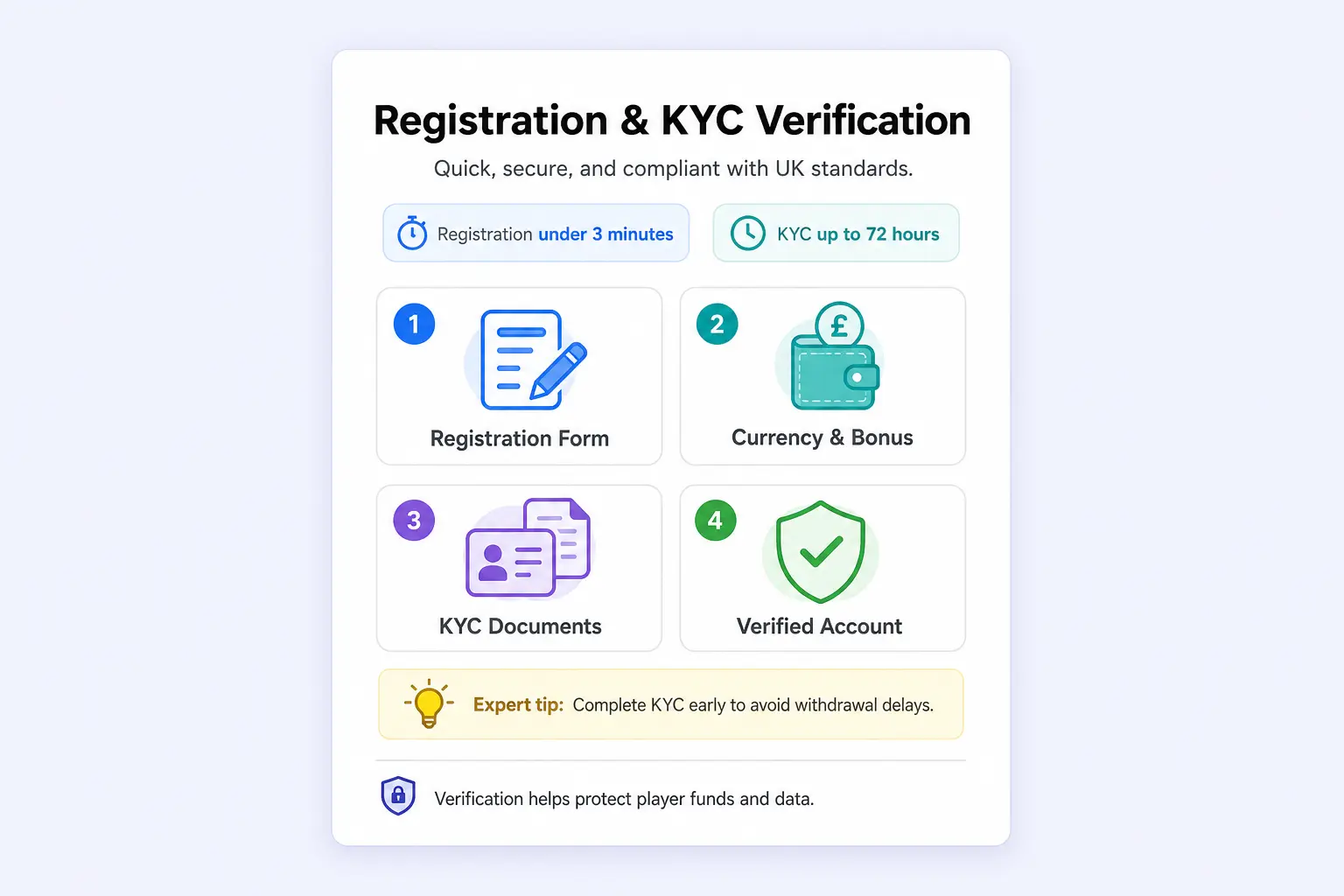
In the United Kingdom, all legal domestic online gambling is regulated by the UK Gambling Commission (UKGC) under the Gambling Act 2026. Every operator serving UK players domestically must hold a UKGC licence, which imposes strict standards for player protection, fair gaming, and anti-money laundering. UKGC operators are required to verify player identity and age before allowing deposits or play, using robust Know Your Customer (KYC) processes. They must also segregate player funds from operational accounts, ensuring deposits are protected if the company faces financial difficulties.
Domestic operators are subject to the UK's 21% Remote Gaming Duty on gross gambling yield, which is paid by the operator and not directly by players; however, this tax burden can influence promotional offers and odds. The UKGC also enforces responsible gambling measures, such as mandatory deposit limits, self-exclusion via GAMSTOP, and affordability checks for higher-spending players. Game restrictions include a ban on credit card gambling and strict rules on bonus marketing. In 2026, these regulations continue to evolve, with enhanced affordability checks and a statutory levy for research, prevention, and treatment.
International Licensing Protections and Cross-Border Banking
Offshore casinos targeting UK players typically operate under licences from jurisdictions like Malta (MGA), Gibraltar, Curaçao, or the Isle of Man. These licences do not grant automatic legal access to UK customers, and UK players should be aware that UKGC does not regulate such platforms. However, international operators may still implement robust player fund protection; for example, MGA-licensed casinos must keep player funds in segregated accounts, separate from company operating capital, and provide clear information on fund protection levels. Curaçao-licensed sites often offer greater payment flexibility, including cryptocurrency transactions, which appeal to players seeking privacy or lower fees.
Banking options at offshore casinos frequently include e-wallets like Skrill, Neteller, and PayPal alternatives, alongside crypto wallets and bank transfers. Some offshore sites also support local UK payment methods such as debit cards or even Open Banking payments, though availability varies. Players considering offshore platforms should verify that the operator holds a valid international licence, with dispute resolution through bodies like eCOGRA or the Malta Gaming Authority's Player Support Unit. These safeguards can help ensure fair treatment, even outside the UKGC's jurisdiction.